Financial platforms
Web applications for staff and, where appropriate, end users.
Financial products need clear ledgers, controlled access and integrations you can audit. We engineer those platforms as software partners — not as a licensed bank or NBFC.
Scope
Scope is agreed around the flows you are legally allowed to operate.
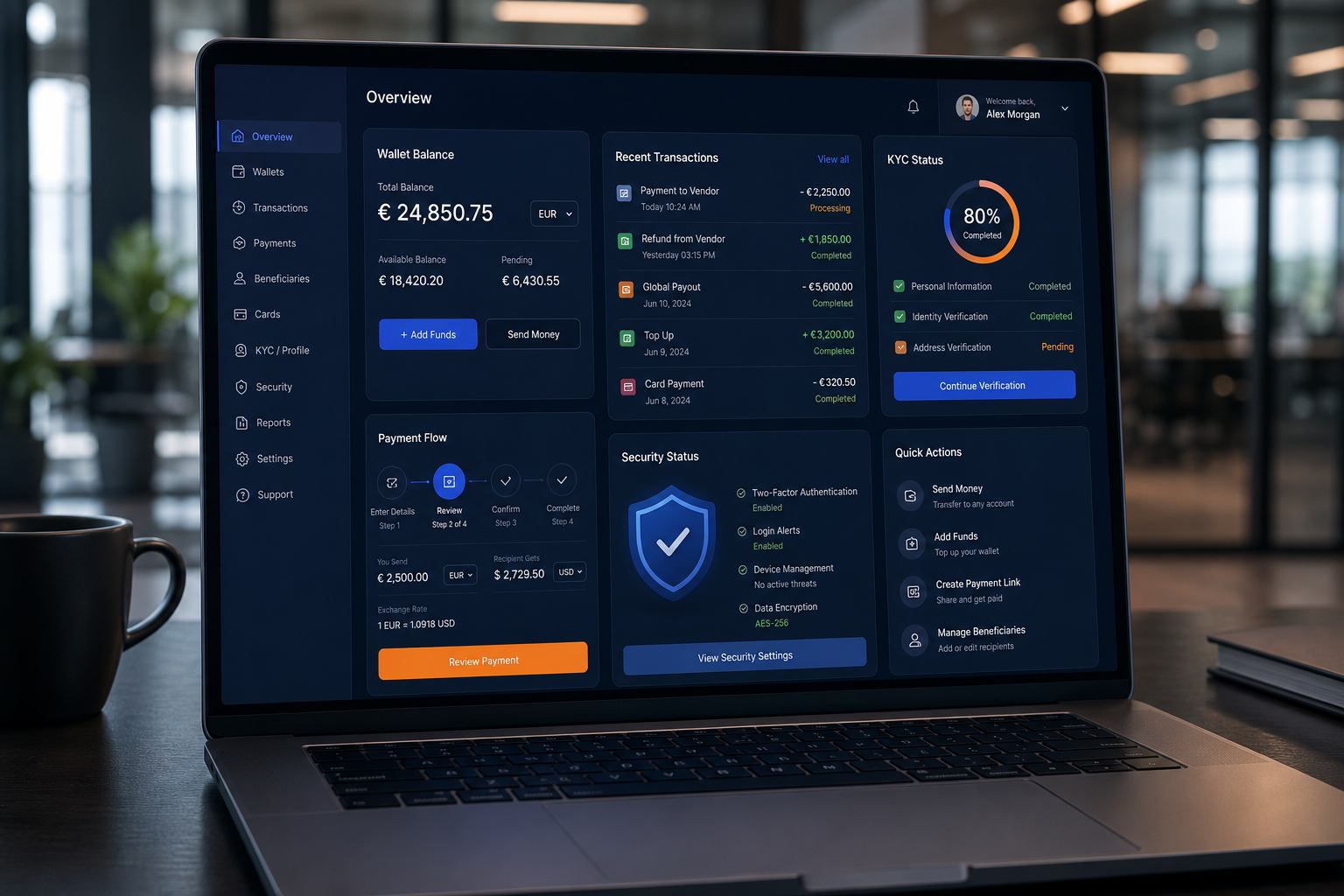
Web applications for staff and, where appropriate, end users.
Balances and movement history with explicit credit/debit rules.
Gateways and payout partners connected through documented APIs.
Filters, statuses and export for operations and finance.
Summaries that match the ledger, not a decorative chart.
Application status, document collection and review queues — using your chosen vendor where needed.
Operational and settlement-oriented reports your team can defend.
A backend other channels can call without duplicating rules.
Authentication, authorisation and careful handling of sensitive fields.
How Rego Techno Solutions helps
Financial operations need records you can defend and access you can explain. We build transaction lists, dashboards and partner APIs as software. RBI approval, payment licences and who may hold funds stay with the business that operates the product.
Wallets, reviews, payouts or reporting — only the movements your entity is allowed to operate.
Credit, debit and status history that match what finance exports, not a decorative chart.
Gateways and KYC vendors you choose. Secrets stay on the server.
Roles, review queues and reports operations can sit in front of during an audit conversation.
In the market
Payment and KYC work still lives in gateway dashboards and Excel, with no audit trail. We build operations consoles, wallets and KYC workflows. Licensing, RBI registrations and banking partnerships stay with the client — we do not claim those.
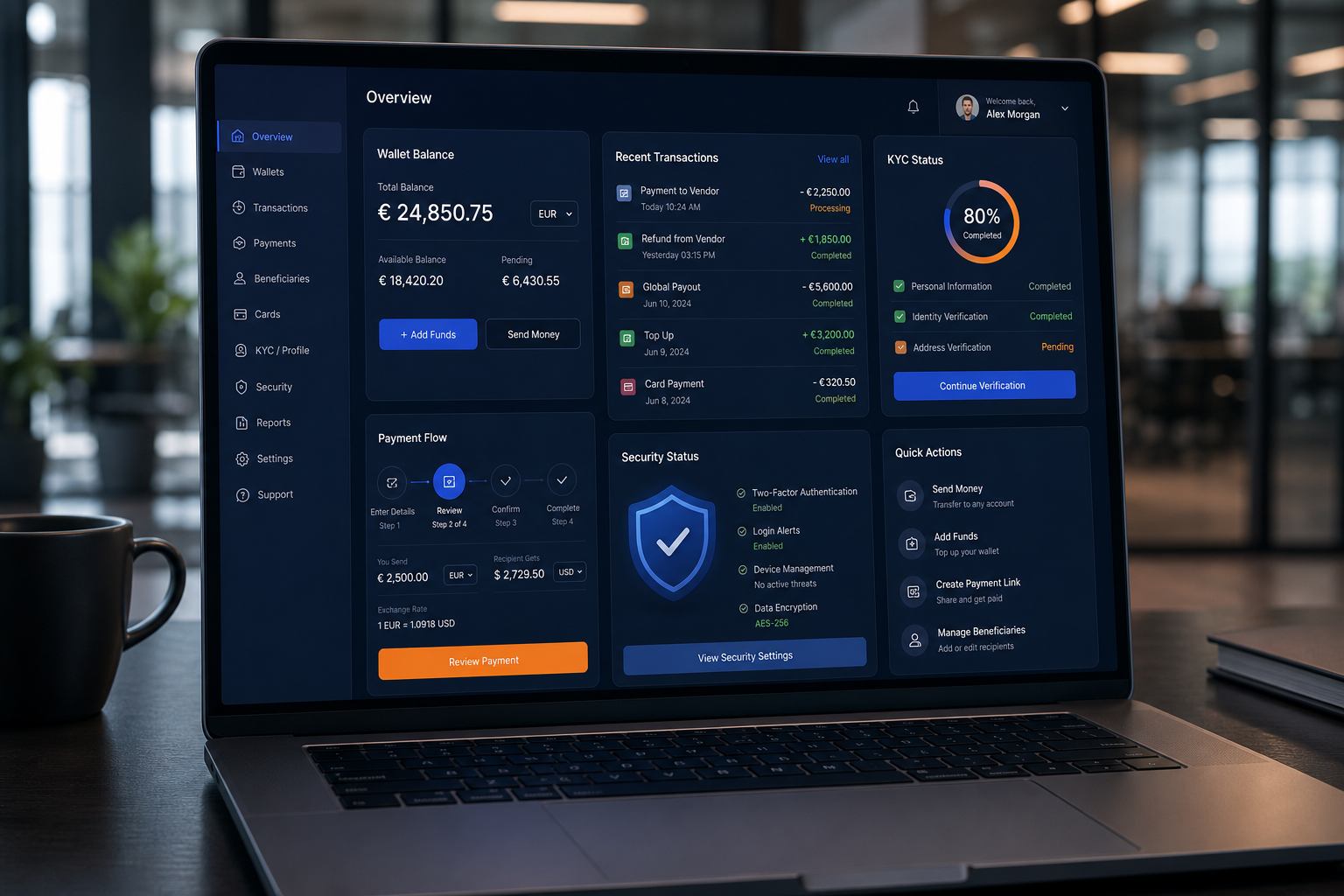
Exceptions are slow when staff jump between Razorpay, a bank portal and mail. We build a staff console with filters, roles and exports that match the records underneath. We do not claim a banking licence.
Vendors sell “FinTech platforms” that imply a licence. A wallet is only useful if credit, debit and holds are explicit. KYC is a document and status workflow using vendors you already selected.
FAQ
Continue
Next step
Tell us about the workflow, integrations and constraints. We will help you shape a practical technical approach.
Share a few details and the team will review your requirement.